Cultural Infrastructure / London / 2024 -
The Exchange NW1
Turning dormant civic infrastructure into a functioning cultural and commercial system.
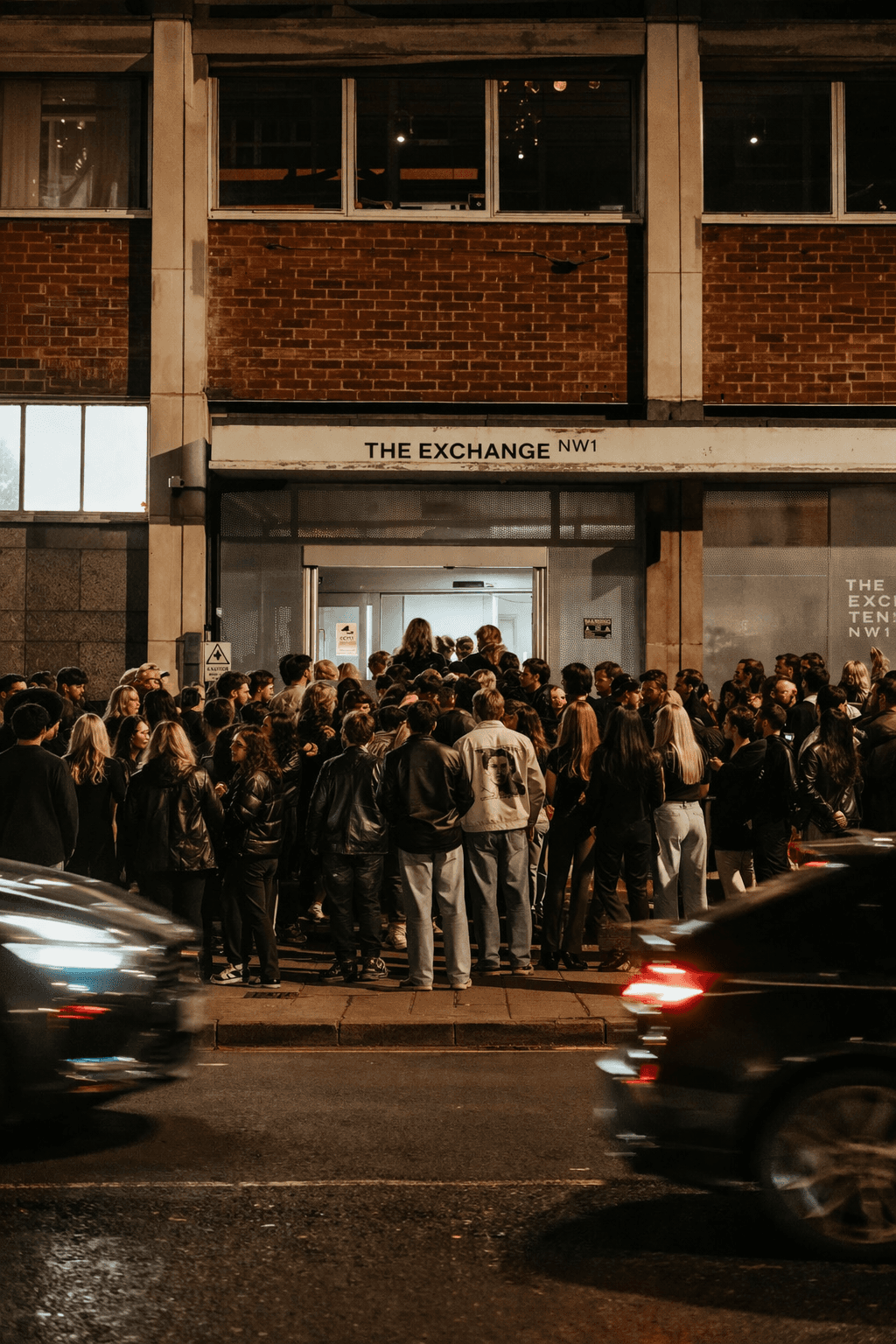
Disndat was brought in by the directors of The Exchange NW1 to help turn a former Job Centre in Marylebone into a live platform for creative work, public programming, and long-term commercial use.
The challenge was not simply to fill a building. It was to recognise what kind of asset it actually was.
Most spaces of this kind are treated in one of two ways. Either they are reduced to straightforward rental stock, or they are programmed loosely as cultural venues without a durable economic model.
Both approaches miss the opportunity.
What existed here was not a venue in waiting, but an underused civic shell with the scale, location, and rawness to support a more ambitious system. The real task was to build the structure that would allow different forms of value to coexist: workspace, public activity, institutional support, brand relevance, and affordable access for emerging creatives.
That is where Disndat came in.
Context
A building with potential, but no clear role
Buildings like this are often described in terms of square footage, regeneration potential, or community value. None of that is enough on its own.
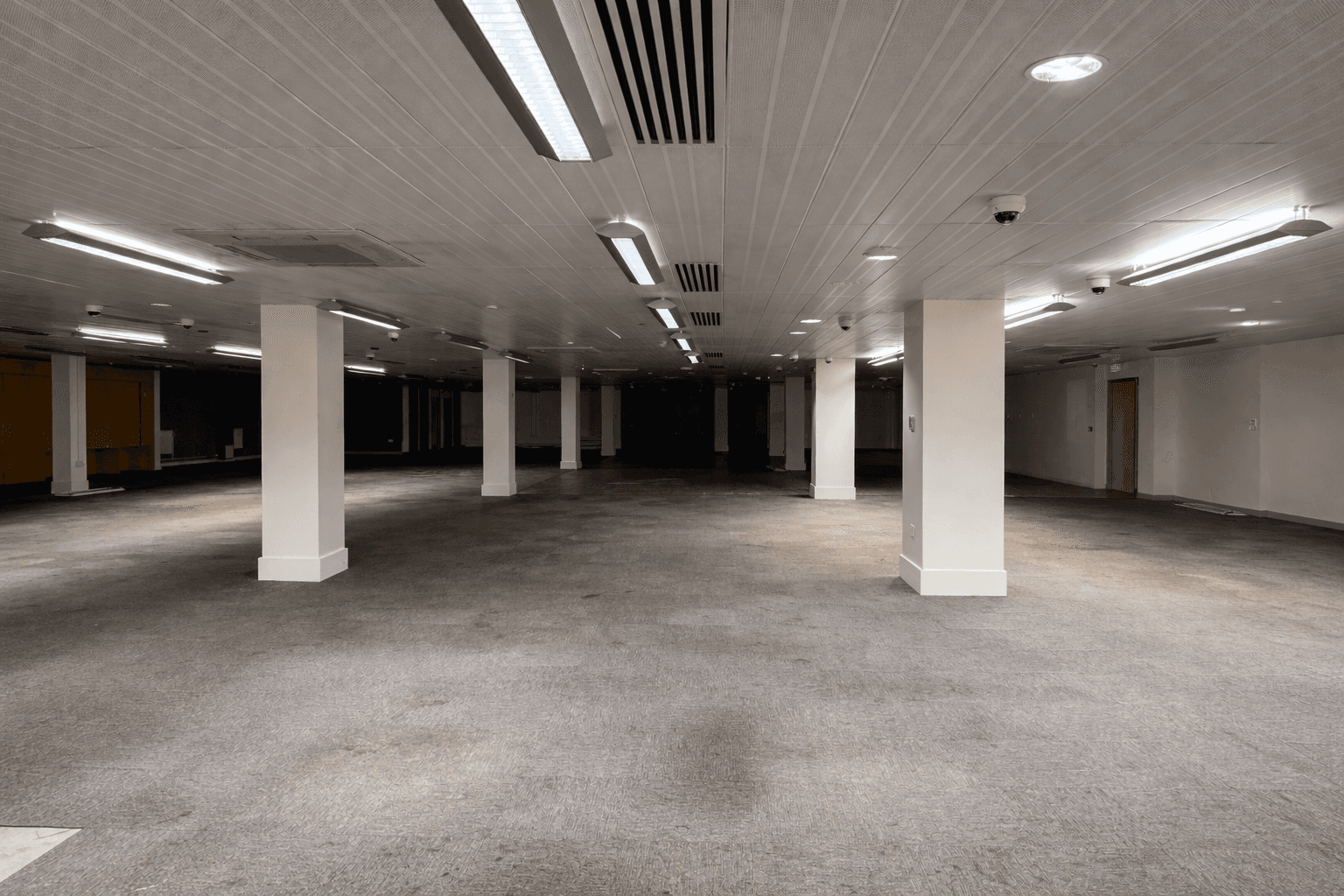
The real issue was structural. The building sat between categories. Too raw to succeed as a conventional commercial asset, too undefined to rely on cultural intent alone, and too large to be sustained by occasional programming.
Without a coherent system, it risked remaining another underused civic shell with good intentions and inconsistent activity.
The question was never whether the site had potential. It was whether that potential could be translated into something people could actually understand, occupy, support, and return to.
85%
Office occupancy by end of year one
26
Workspaces delivered
100+
Independent vendors supported
€100,000++
Social value generated
Opportunity
Most people would have solved the wrong problem
A straightforward property-led response would have focused on filling units as quickly as possible. A purely cultural response would have focused on programming and public energy without building a model capable of sustaining itself.
Neither would have been enough.
The opportunity was to take a step back and treat the building differently. Not as vacant stock, and not as an events venue, but as a piece of misread infrastructure that could support a broader ecosystem if the uses, partners, and economics were structured correctly.
That shift in perspective was critical. It changed the task from activation into system design.
Model
Designing an ecosystem, not just a programme
The work began by defining an operating model that could hold together multiple layers at once: affordable workspace, public-facing programming, commercial hires, institutional support, and local relevance.
This meant deciding which parts of the building should generate income directly, which spaces should function as enabling infrastructure, which operators would add real capability, and how larger projects could support smaller and earlier-stage creative practices.
The objective was never to create activity for its own sake. It was to build continuity. Tenancy, programming, hospitality, media, exhibitions, production, and public use all needed to reinforce one another.
Once that model was clear, the building stopped looking like a difficult civic asset and started looking like a platform.
Spatial Strategy
Giving each part of the building a reason to exist
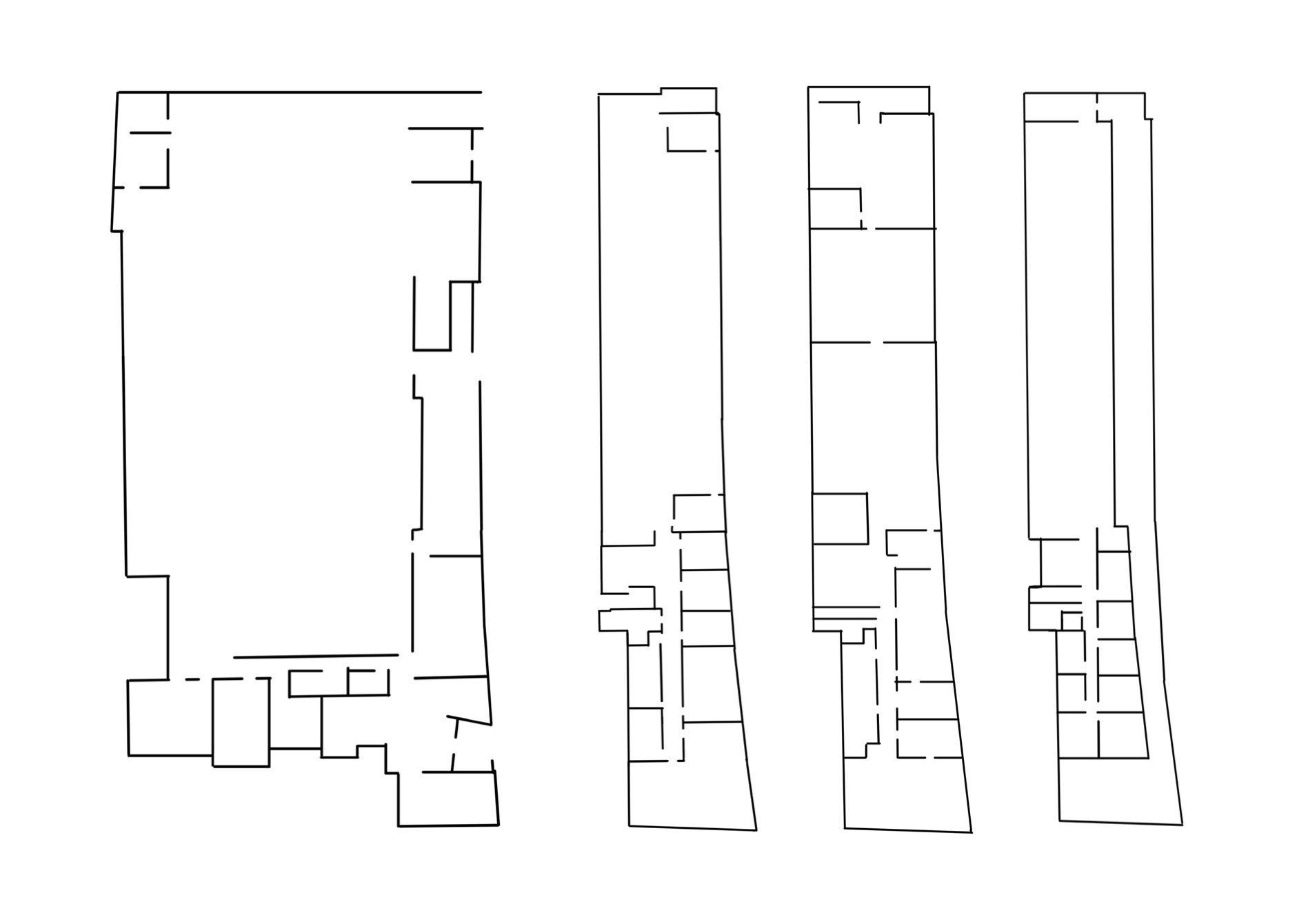
The building was not treated as generic rentable square footage. A layered use strategy was developed so that each floor and room served the wider system.
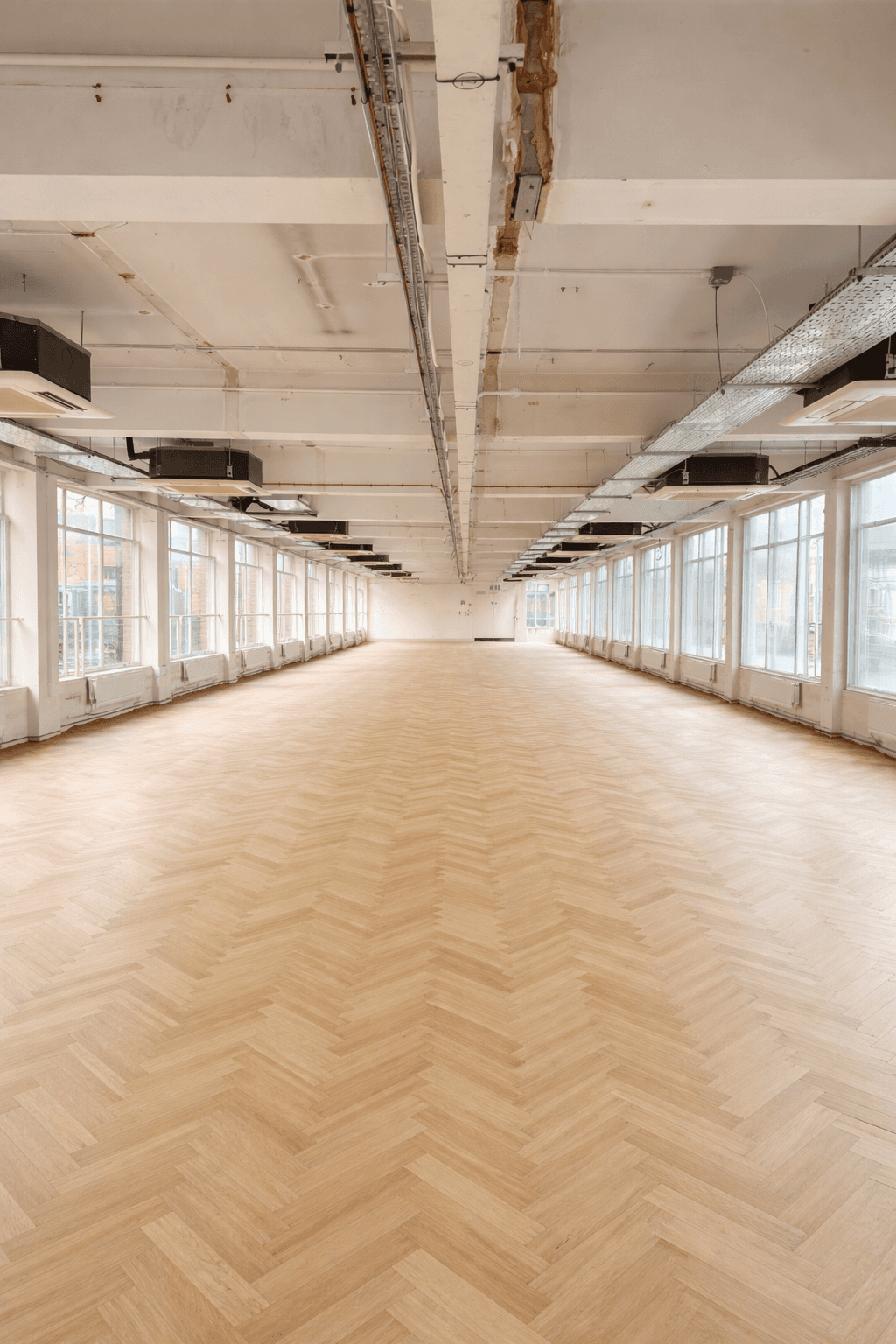
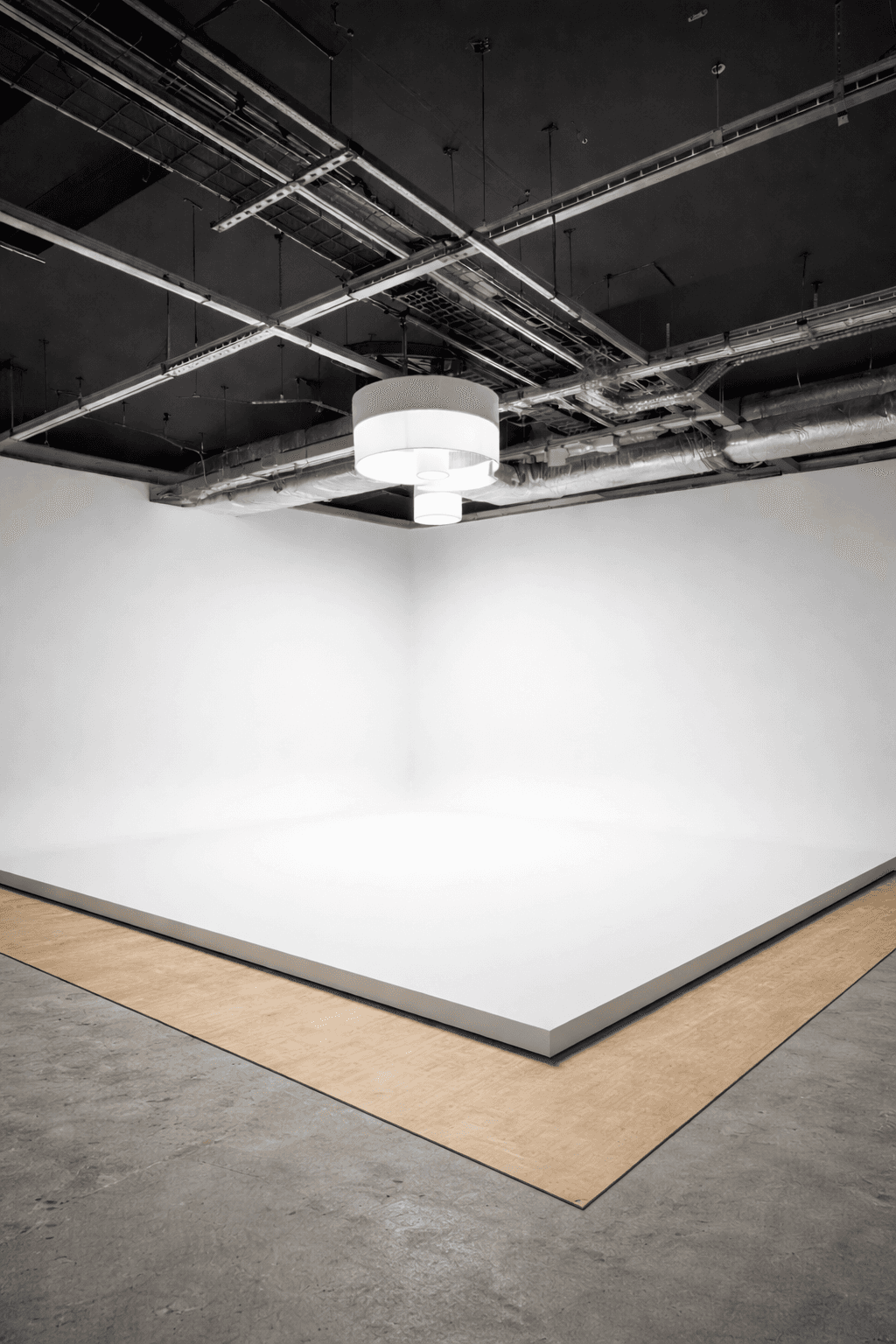
Public-facing areas were positioned for activations, exhibitions, markets, campaigns, and events. Hospitality anchored footfall at ground level. Upper floors were shaped around studios, offices, coworking, and longer-term occupancy.
This mattered because it changed the logic of the building. The aim was not efficiency in isolation, but interaction between uses. Someone entering for an event should encounter workspace. Someone arriving as a tenant should step into a wider cultural environment. Someone using the building for production should recognise it as more than a backdrop.
That is how raw space begins to feel like infrastructure.
Ecosystem
Curating the right mix of people, practices, and partners
Occupancy was treated as a curatorial decision, not a numbers exercise.
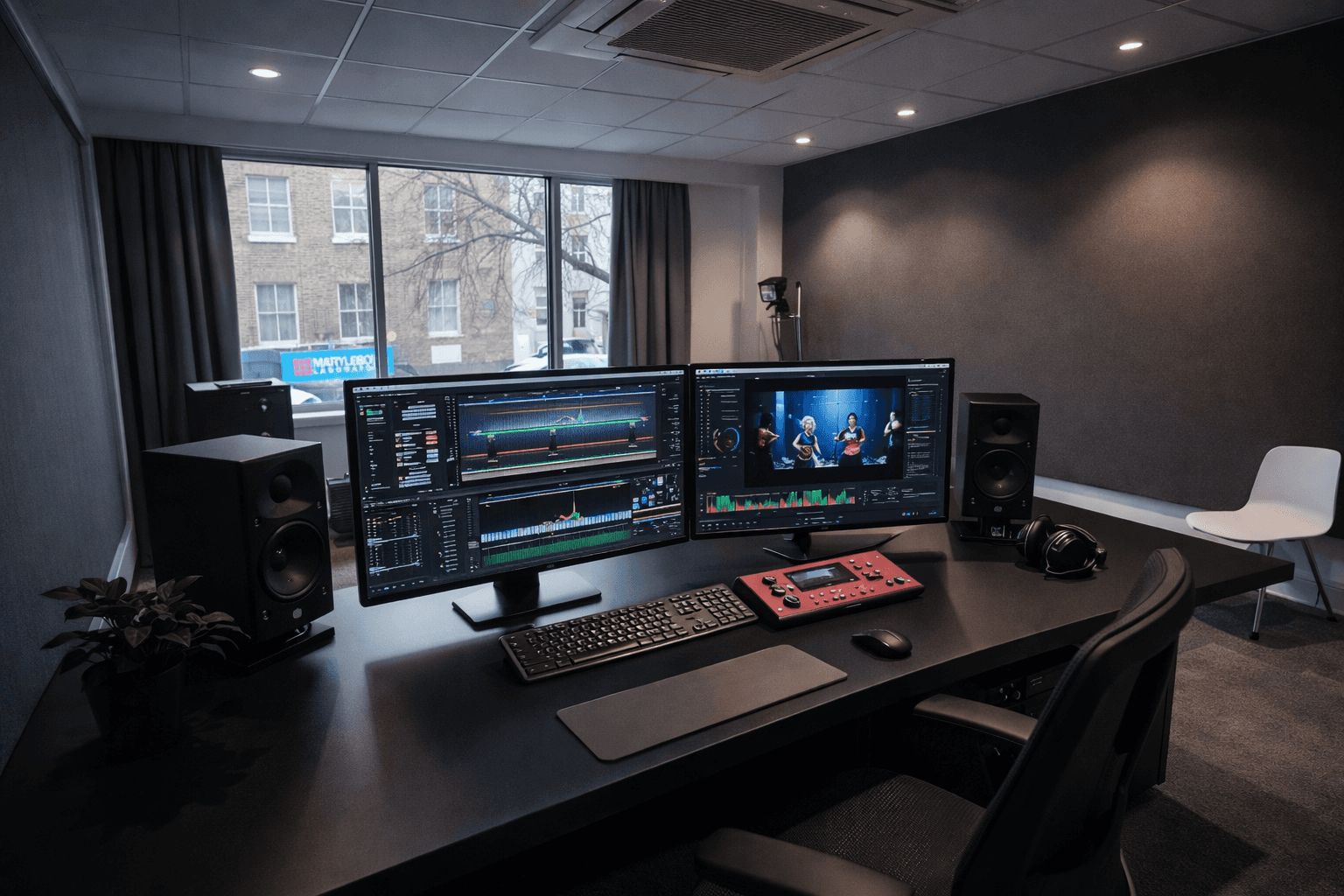
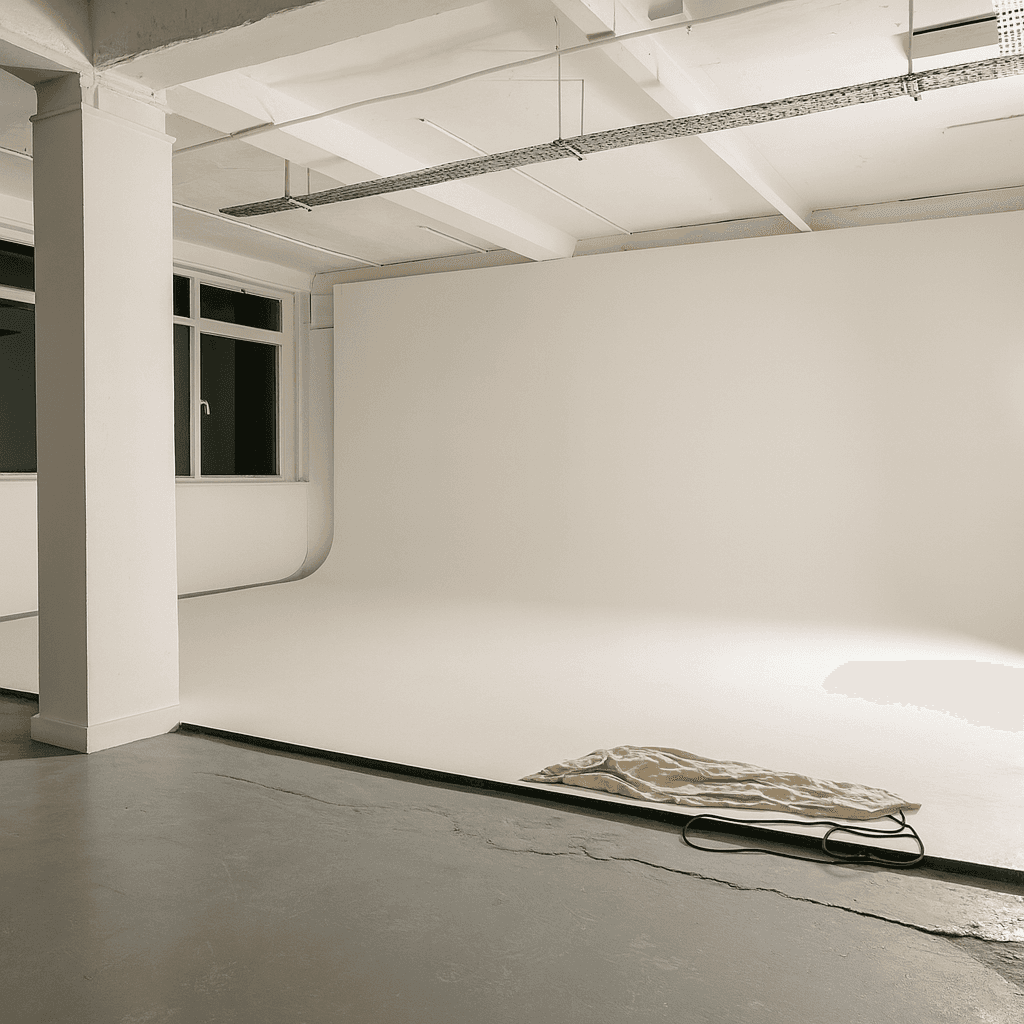
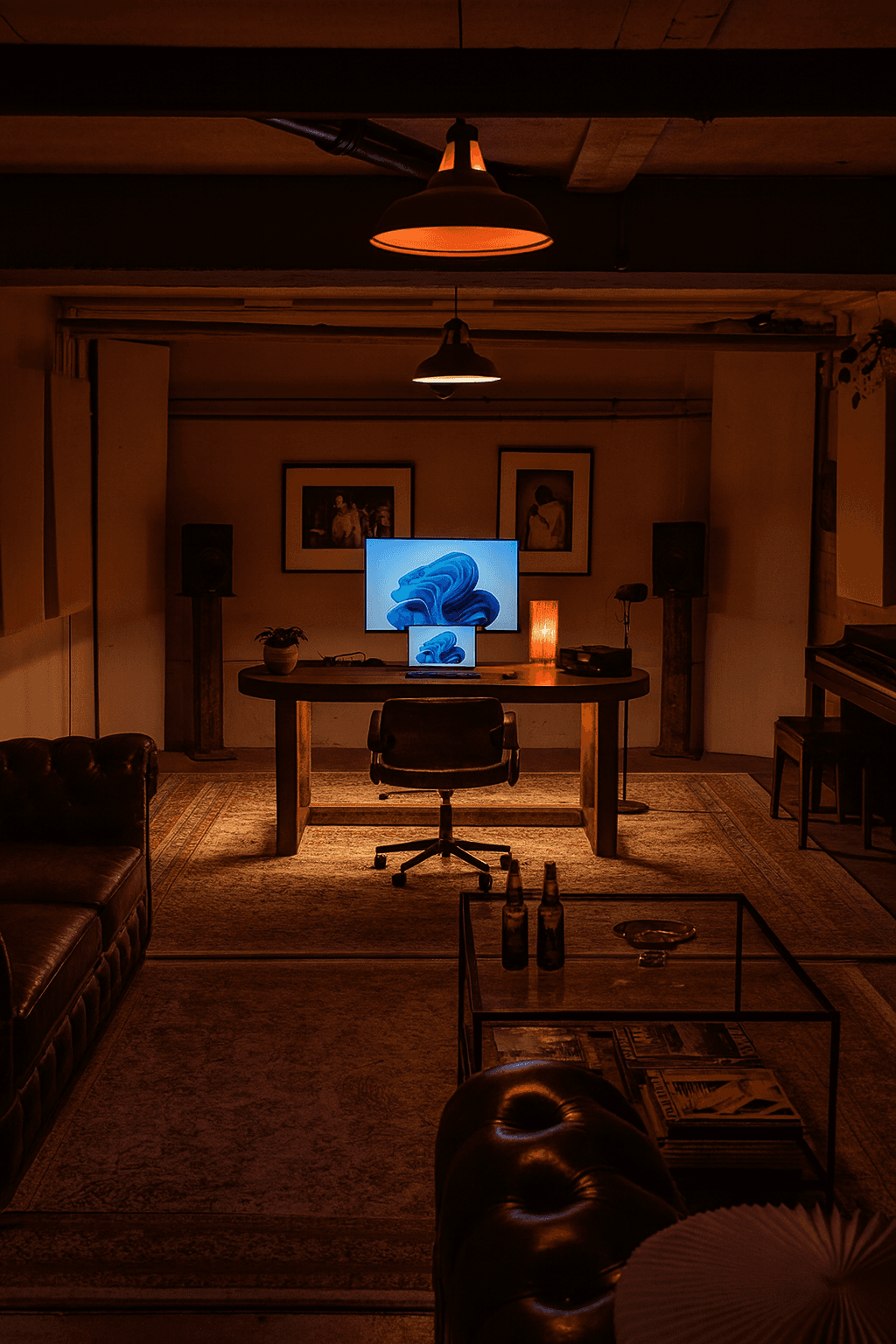
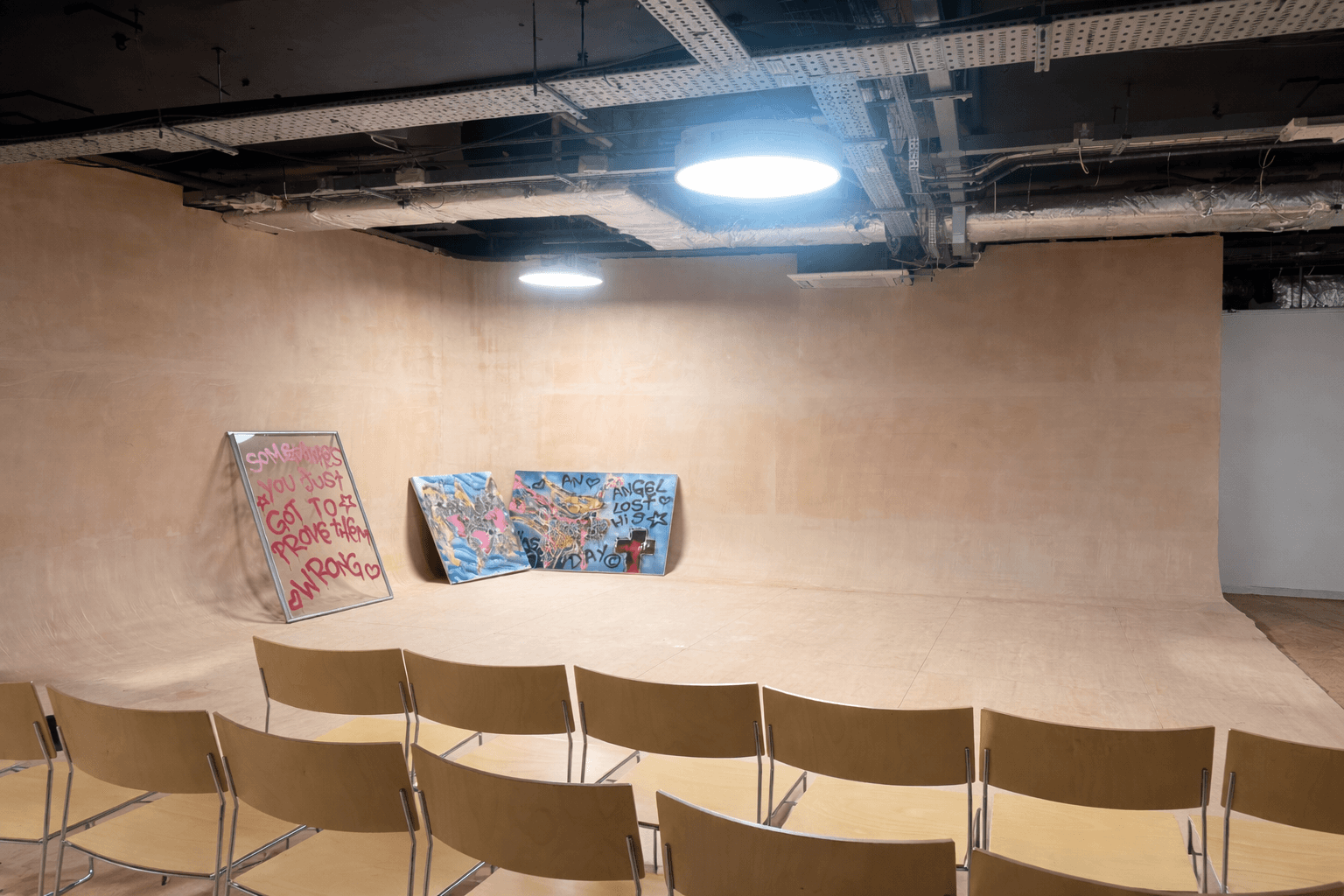
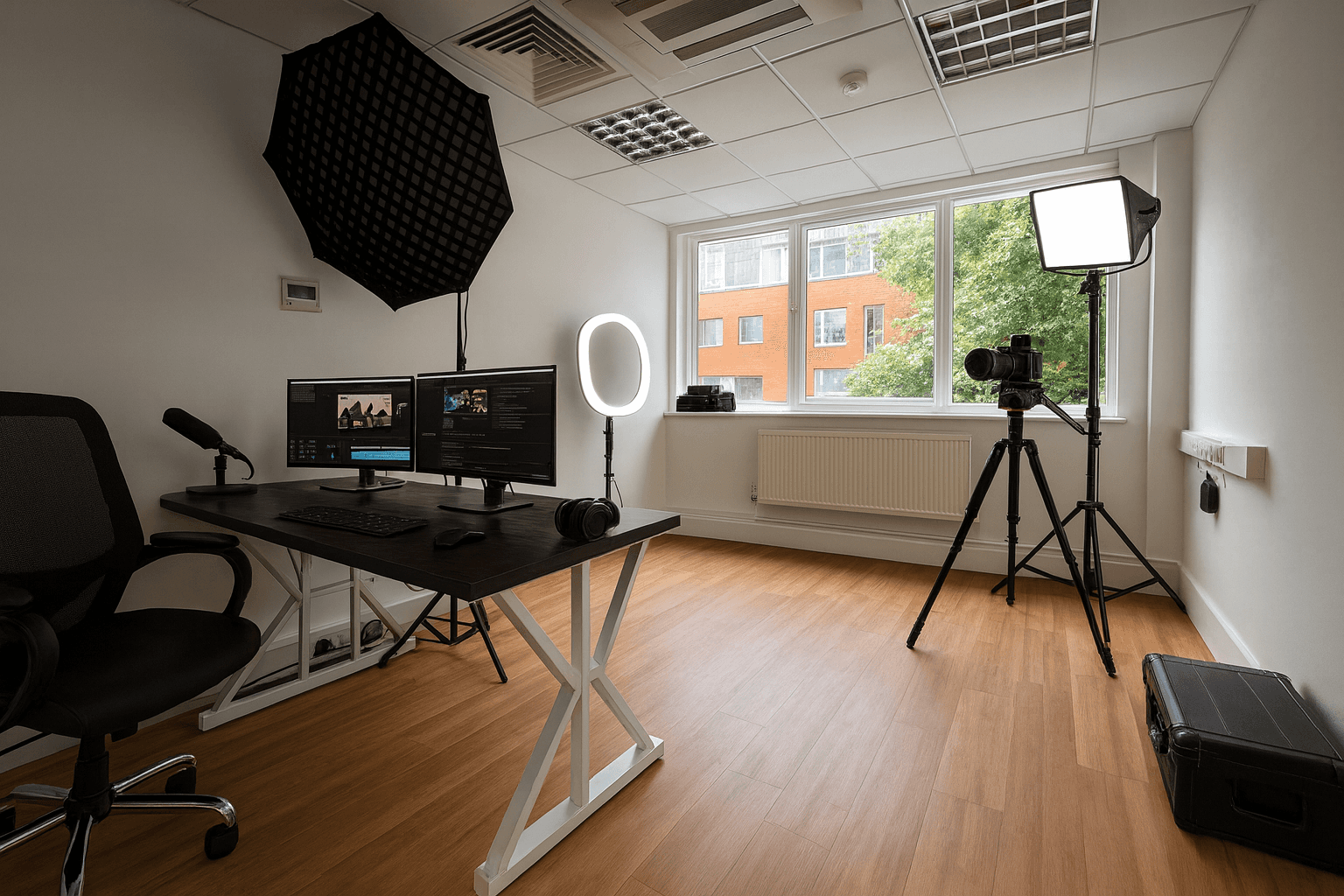
The aim was to build a working mix that could define the identity of the building rather than dilute it. Music, photography, content production, hospitality, archive, and cultural programming were all treated as connected parts of the same environment.
Some spaces were judged on direct revenue. Others were valued for the role they played in making the wider platform credible, useful, and alive. That distinction was essential.
Disndat’s strength here was not simply sourcing occupiers. It was using its network, judgement, and cultural understanding to assemble a set of operators and contributors that could make the building feel coherent from the inside out.
This is the difference between filling rooms and building a hub.
Proof
Using major projects as validation, not decoration
A building like this only becomes credible once it can prove itself publicly.
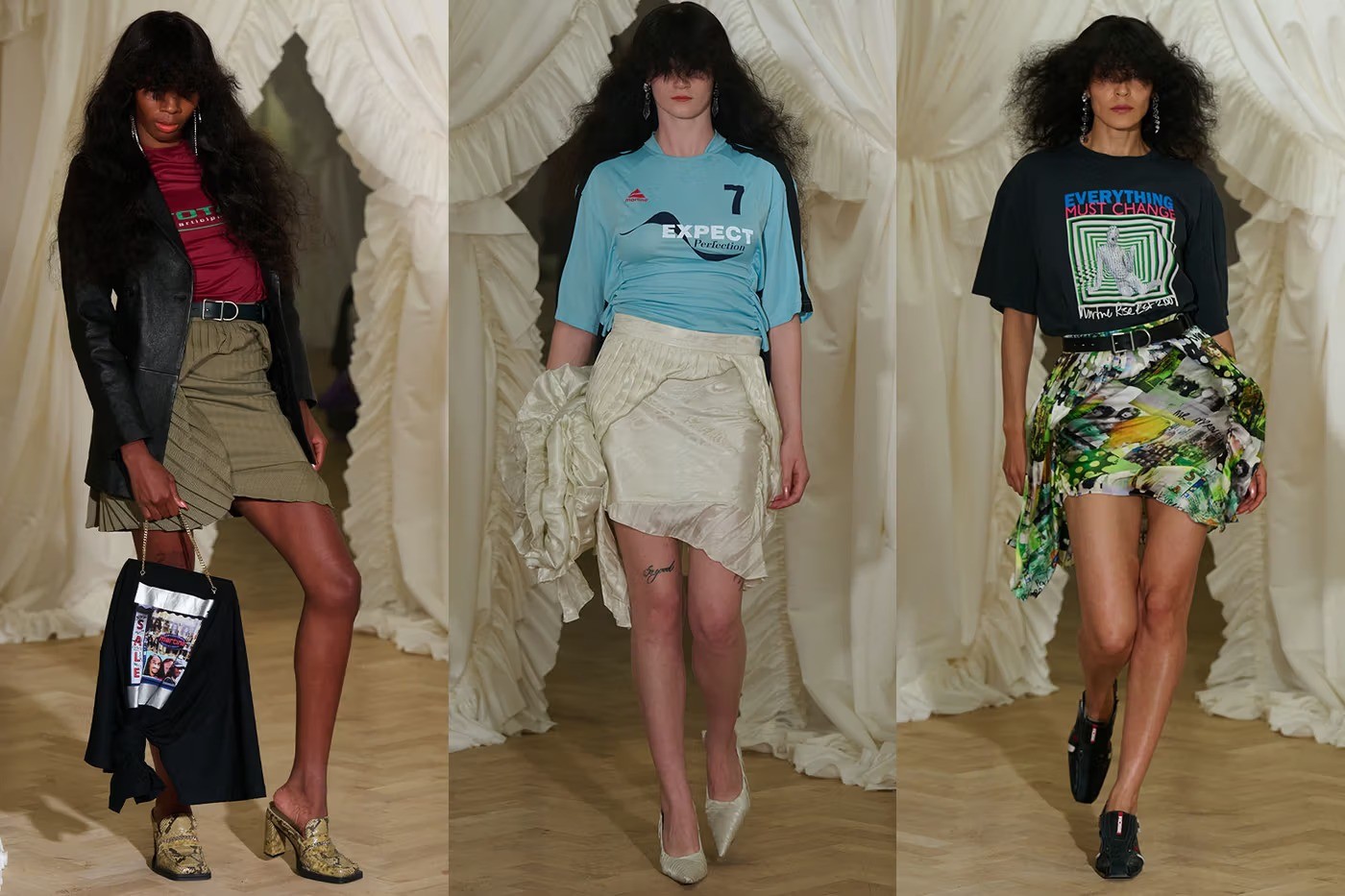
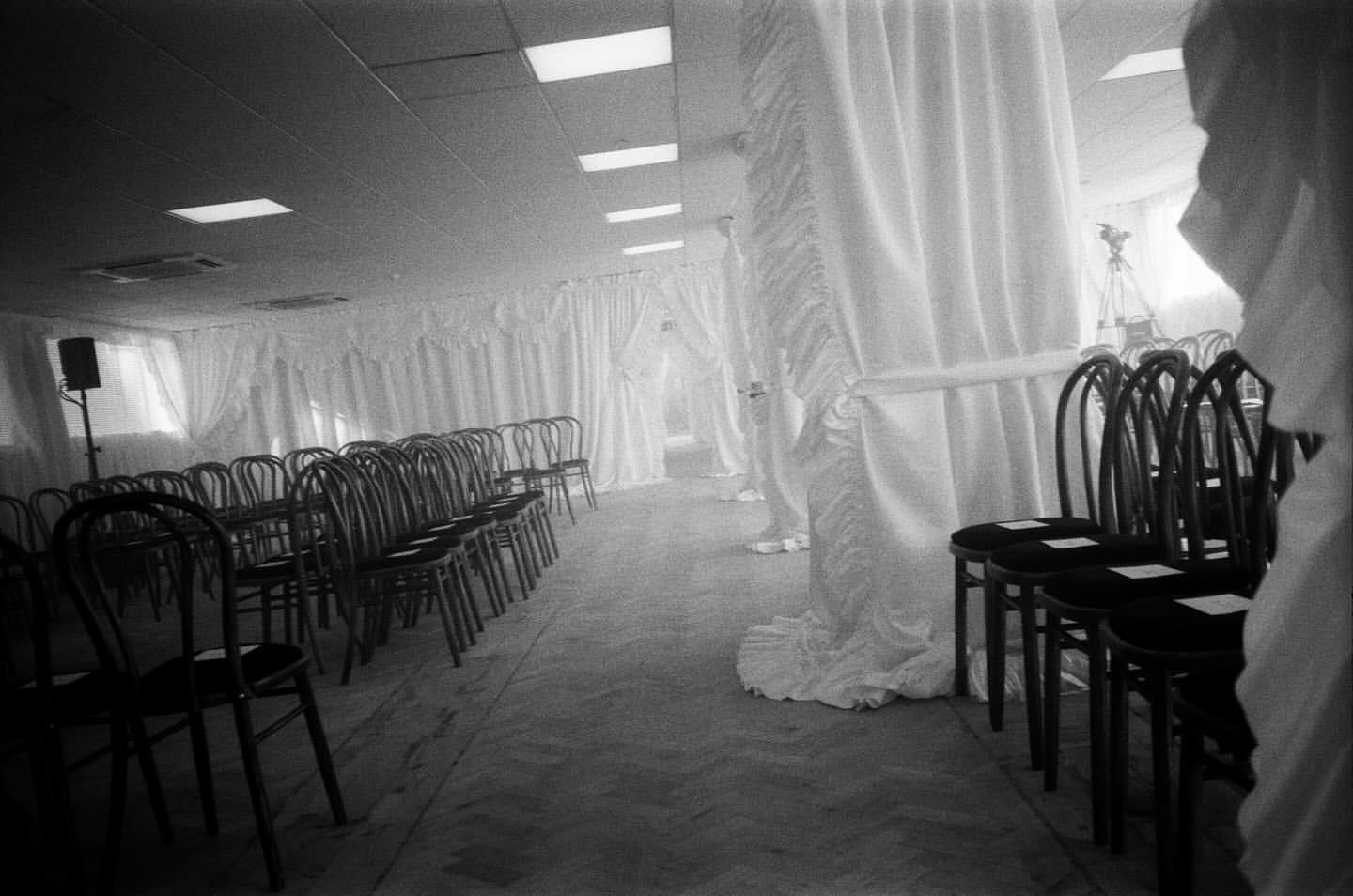
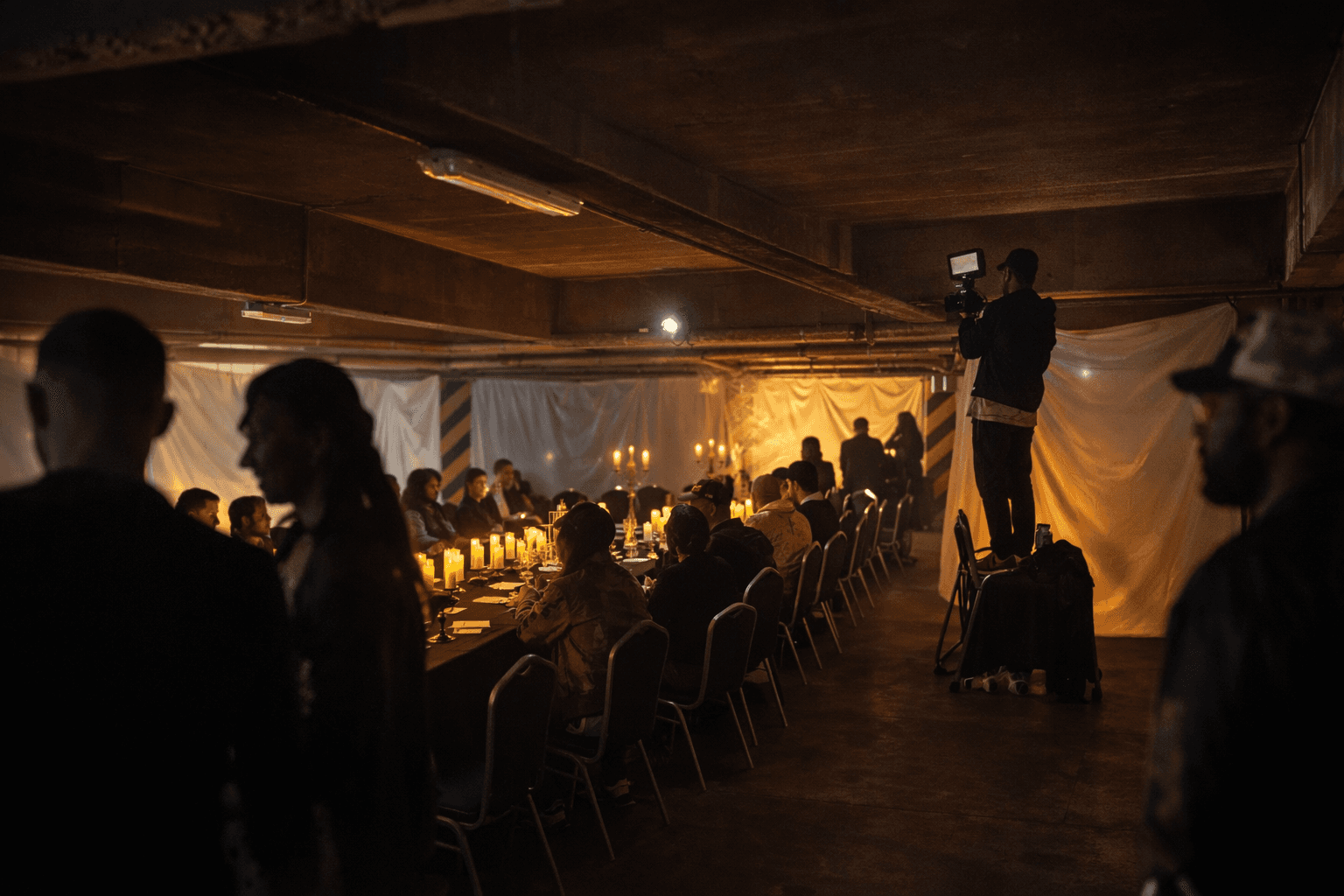
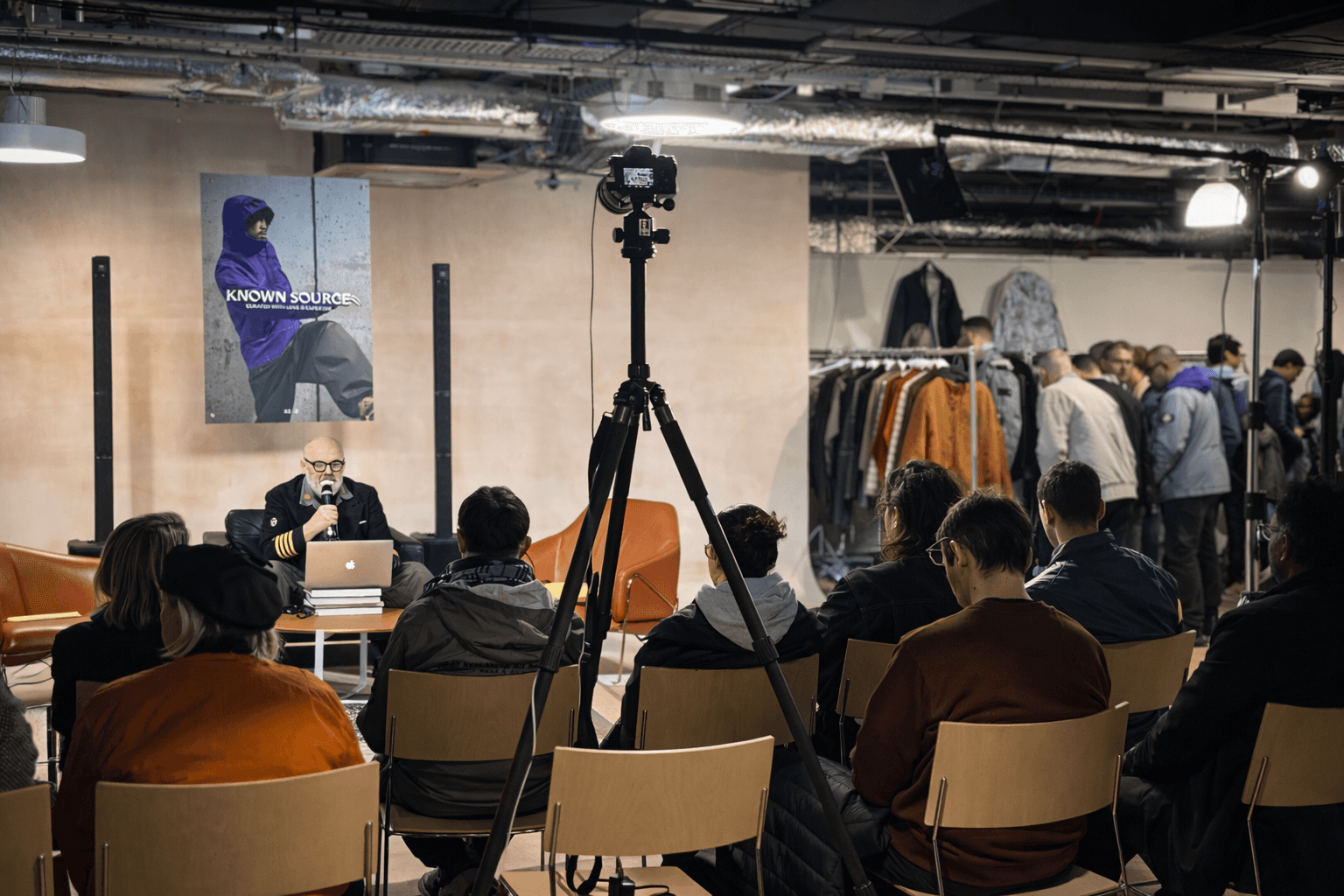
The clearest early proof point was Martine Rose SS26. Within a short period, the former Job Centre was transformed into the setting for one of the most discussed British fashion presentations of the year. The ground floor also became a public-facing marketplace, bringing independent vendors and public audiences into the same environment.
That mattered because it proved several things at once: speed, cultural legitimacy, public accessibility, and the building’s capacity to hold a serious project without losing the roughness that made it compelling in the first place.
The same logic extended to the Foot Locker Ramadan campaign, television location use, and a broader pattern of shoots, production, and activation concepts. These were not impressive moments sitting outside the mission. They were strategic proof points that changed how the building was perceived and what it could support next.

Cross-Subsidy
Using larger players to support smaller practices
The real breakthrough at The Exchange was not any single activation or tenancy. It was the creation of a model in which larger commercial and institutional projects could underwrite a broader creative ecosystem.
Fashion shows, campaigns, television production, donor support, and institutional partnerships did not sit outside the mission. They were part of the mechanism that made lower-cost access, independent practice, and long-term cultural activity possible.
That gave the project real integrity. Affordability was not framed as an abstract ideal. It was linked to an actual operating model. The stronger the top end of the building’s activity became, the more room there was to support newer and less resourced creatives.
This is what turned the building from an interesting shell into a working platform.
Institutions & Brands
Revenue + Visibility
Subsidised Creative Access
Studios / Programming / Independent Practice
Institutional Layer
Making the building legible to funders, donors, and civic stakeholders
Disndat’s role extended well beyond programming and occupancy. A major part of the work involved making the building intelligible to councils, funders, donors, and mission-aligned institutions.
That meant building the language, packaging, and public-value case required for the project to be taken seriously across different audiences at once.
Support from organisations such as the BBC, Openreach, and London Business School, alongside relationships with local businesses including The Seashell of Lisson Grove, The Globe, and Alfies Antiques, strengthened both the building’s credibility and its base of support.
This mattered because projects like this do not become real on atmosphere alone. They become real when the mission, model, economics, and public case all line up.
Replication
A repeatable model for underused space
The Exchange matters not only because it worked as a building, but because it revealed a repeatable approach.
The same principles can be applied elsewhere: identify the asset correctly, refuse the easy reading, build the right use logic, curate a credible ecosystem, create public proof, and use stronger commercial or institutional relationships to support earlier-stage participants.
What makes this transferable is not the architecture of the building itself. It is the method behind it.
That is the larger point of the case study. Disndat is not simply good at programming spaces. It understands how to unlock misread cultural infrastructure.
Conclusion
Why this project matters
The Exchange NW1 was not a venue activation project. It was the conversion of underused civic property into a functioning cultural and commercial system.
Disndat’s role was to identify the asset correctly, build the operating logic, curate the ecosystem, and use cultural proof points to make the model real.
That is the true value of the work. Not simply that a building was brought to life, but that a new model was unlocked through the right combination of strategy, network, credibility, and execution.
Whether the setting is a curated museum, a campaign environment, or a former civic building that most people would have misread, the principle is the same. The opportunity becomes clear when the structure is right.
This is the kind of situation Disndat understands best.