Category Development / EMEA / 2018–2024
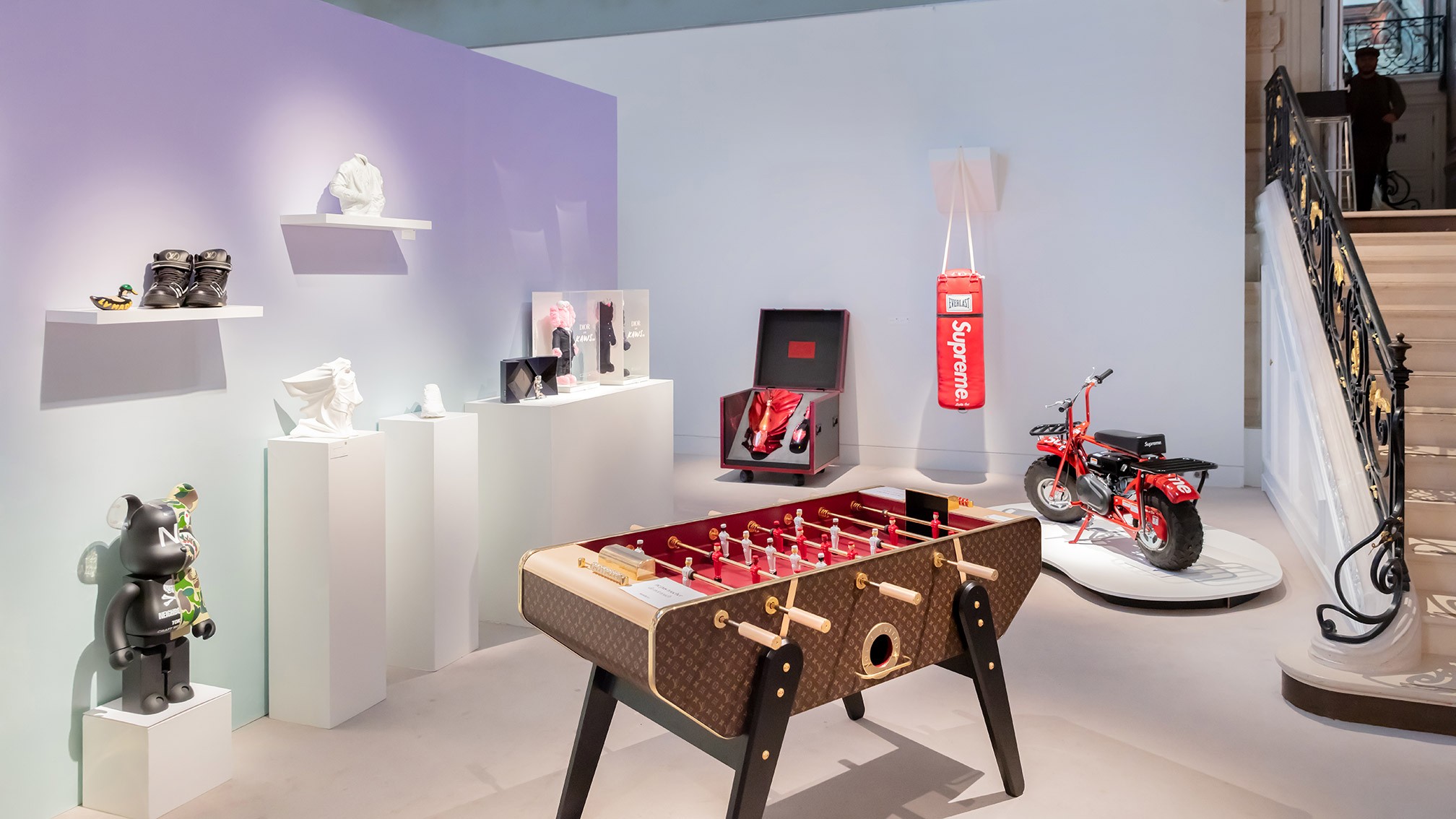
Sotheby’s Modern Collectibles
Recognising the market before the institution caught up.
Before sneakers, streetwear, and sports memorabilia were widely understood as serious collecting categories, they were already carrying cultural and commercial value.
People were collecting them, trading them, and assigning status, memory, and identity to them long before traditional institutions had the language or structure to handle them properly.
The demand already existed. What was missing was a credible framework.
Disndat’s work helped identify that gap early, position the category correctly, and support the development of a new model inside one of the world’s leading auction houses.
Disndat’s role covered category positioning, object selection, seller development, taxonomy, marketplace population, and EMEA category rollout.
Context
A market was taking shape but the language around it was weak
By 2018, a new collecting behaviour was already visible.
In the United States and parts of Asia, high-value sneakers, streetwear, and sports-linked objects were moving beyond hobbyist resale into a more mature market. The category had momentum, but not yet a settled vocabulary. It was being traded actively, but not fully understood.
Europe was less developed. The appetite was there, but the market had not yet been properly organised, elevated, or explained.
At that stage, Disndat, then operating from Paris as HypePlug, began moving away from high-volume resale and towards rarer, higher-conviction objects with stronger cultural, historical, and long-term commercial value.
The pandemic accelerated that shift. It did not create it.
It exposed the scale of demand and made clear how little infrastructure existed around the category. While much of the market focused on short-term resale, the work here remained focused on identifying which objects could hold relevance beyond the boom.
Framework
From product to cultural asset.
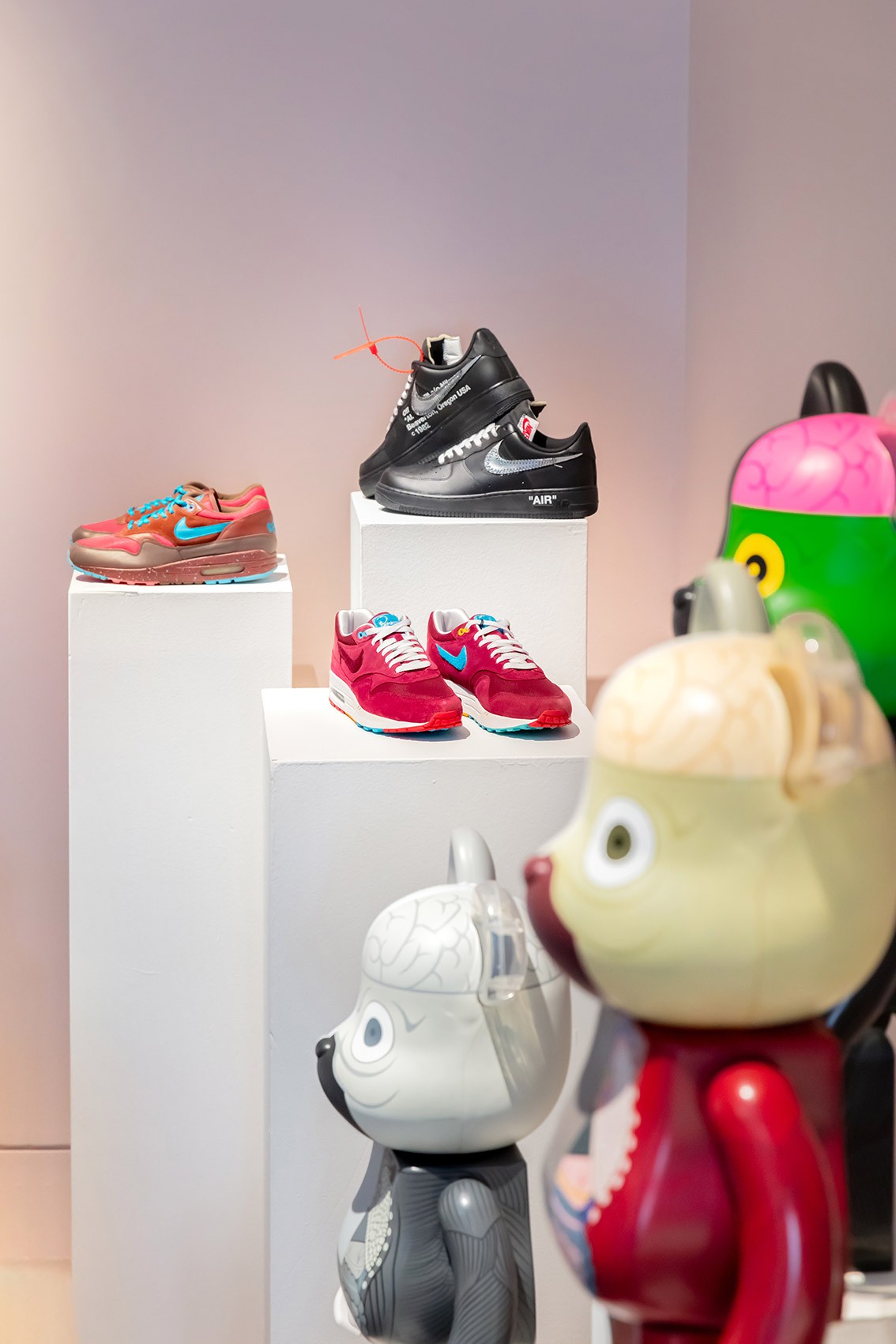
No figure captured this shift more clearly than Virgil Abloh.
Abloh did not simply design products. He changed how products could be read. Through projects such as The Ten, he brought process, authorship, and commentary to the surface. The object was no longer only the finished item. It also carried the thinking around it.
That mattered because it changed how value could be assigned.
Cultural context, authorship, and narrative began to matter as much as function. In some cases, they mattered more. The distinction between commodity and artefact began to narrow.
That shift extended beyond footwear. It opened the door for contemporary cultural objects to be treated with the same seriousness as design, fashion, or historical material, provided they were positioned correctly.
This is where the auction house became relevant. Not because institutions created the value, but because they could formalise, validate, and scale it.

Structure
The structural gap
At the time, contemporary cultural objects sat between two incomplete systems.
Peer-to-peer marketplaces provided speed and liquidity, but very little depth. Objects were reduced to listings. Provenance, hierarchy, and cultural context were often lost.
Auction houses held trust, credibility, and infrastructure, but they were not yet built to intake, interpret, or present this type of property at scale.
There was no serious platform doing both.
That was the gap.
Disndat worked between those two worlds, helping translate cultural relevance into institutional recognition. Auction houses did not create the value, but they gave buyers the confidence to recognise it formally.
The opportunity was not simply to sell new kinds of objects. It was to create a framework through which those objects could be understood, valued, and collected with confidence.
Selection
Narrative density over short-term demand.
That thinking shaped the selection strategy from the outset.
The early focus on figures such as Kanye West and Virgil Abloh was deliberate. These were not simply popular names. They were central actors in the redefinition of taste, authorship, influence, and cultural consumption.
From there, the scope expanded into sports memorabilia, including game-worn material connected to legacy athletes such as Michael Jordan. These objects carried a different kind of weight. Not only scarcity, but historical and emotional significance.
The principle remained consistent throughout.
Prioritise objects with narrative density over objects driven purely by short-term demand.
The objective was never volume for its own sake. It was to identify material that could hold weight in both cultural and institutional terms.
Initial Engagement
Testing the frame
Initial engagement with Sotheby’s took place during the Covid period, as auction houses began looking more seriously at contemporary categories.
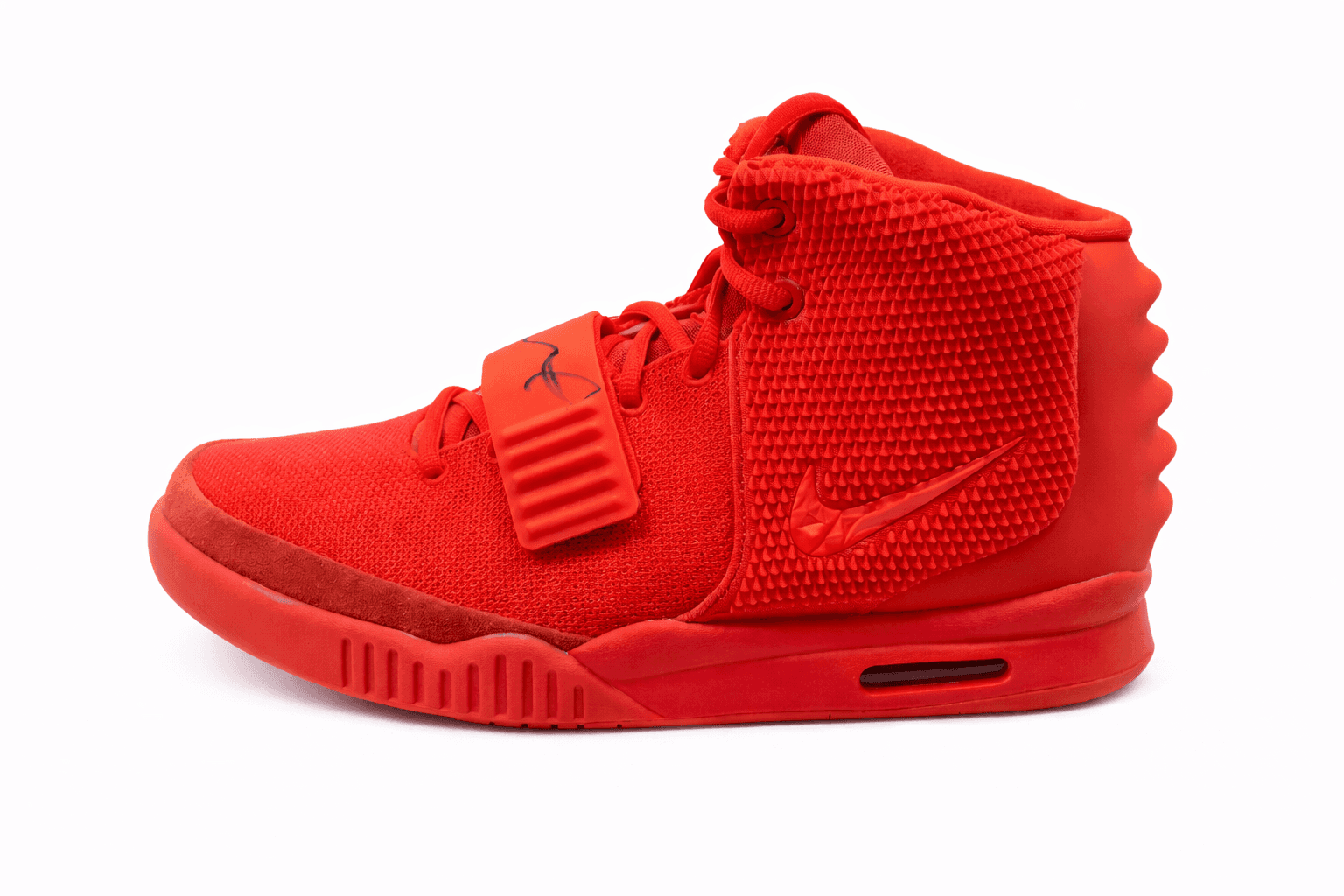
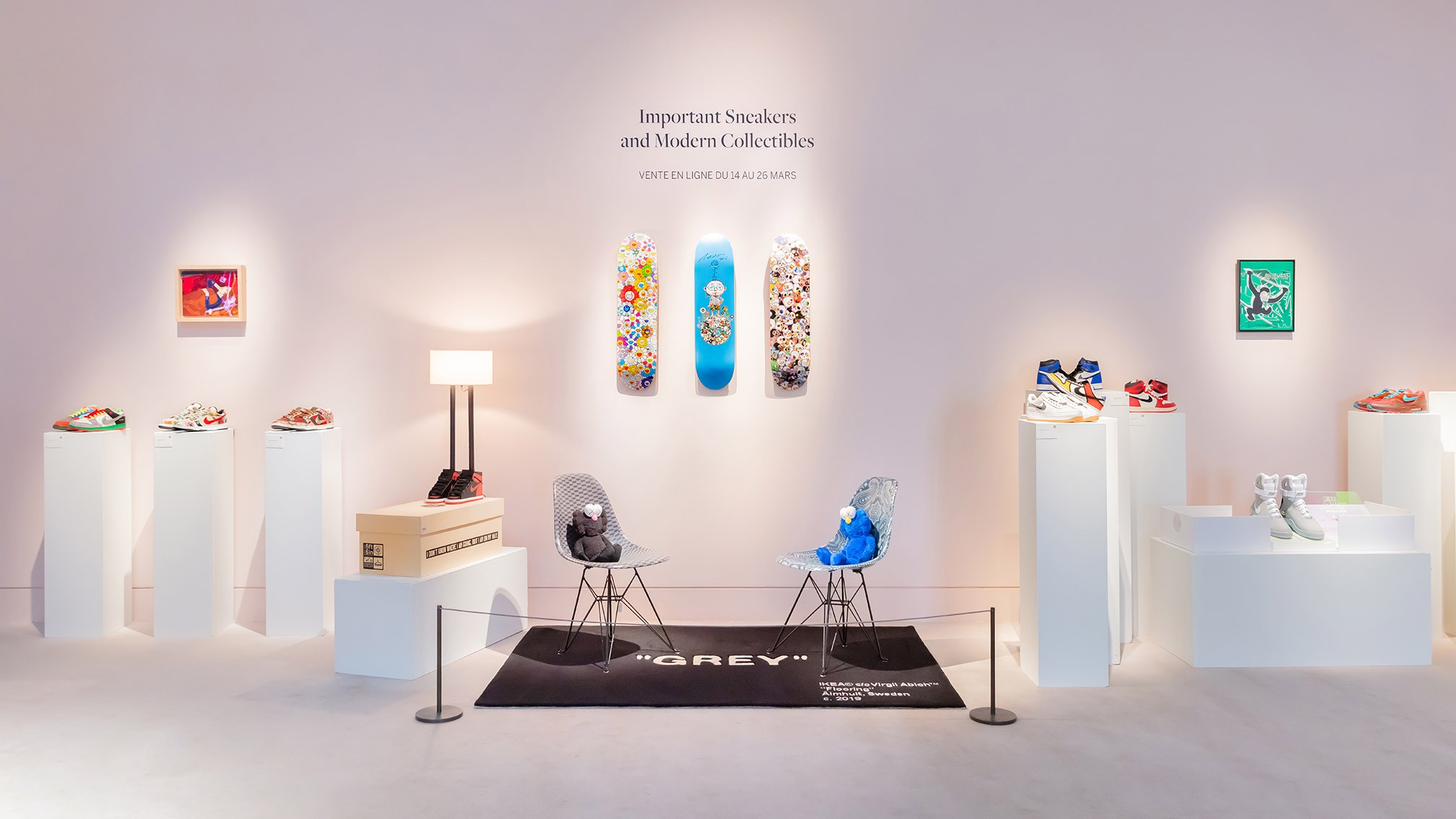
A tightly curated group of 23 sneakers, a deliberate reference to Michael Jordan, was presented alongside two rare Supreme objects. The aim was not scale. It was to test the frame.
The results were immediate.
Property placed into the sale consistently outperformed estimate, averaging roughly 30 per cent above expectations. A Nike SB Dunk Low “Paris” achieved €83,000, setting a world record for the model at the time.
More importantly, the sale proved that these objects could perform inside an institutional auction environment when they were selected and positioned properly.
23
Curated Sneakers
+30%
Above Estimate
95%
Lots Sold
€83,000
Record for a Nike SB Dunk
Category Development
Building Modern Collectibles as a department and not as a sales theme
Following the success of the initial sales, the work expanded into the development of Sotheby’s Modern Collectibles category across EMEA.
This included London, Paris, Cologne, Zurich, Dubai, and Hong Kong.
The department operated differently from traditional collecting categories. Language and presentation were simplified for a more contemporary audience, while selection remained disciplined and culturally literate.
Disndat contributed not only to curation, but to the operating logic behind the category. This included helping define how the department could be structured, presented, and scaled within the auction house.
Three auctions per year were developed, each with aggregate lot values of around £2 million, with additional support across selected flagship Sotheby’s sales.
3 Auctions per Year
~£2M aggregate value per sale
EMEA Rollout
London
Paris
Cologne
Zurich
Dubai
Hong Kong
Infrastructure
Buy Now and the systems of scale.
Alongside auction activity, a major focus was the development of Sotheby’s Buy Now platform.
Contemporary objects, particularly at lower price points, were well suited to that environment. Unlike traditional auctions, they benefited from immediacy, accessibility, and continuous availability.
Disndat played a central role in structuring that system.
This included developing the taxonomy for modern collectibles, onboarding key sellers across London, New York, and Hong Kong, and populating the marketplace with more than 1,000 SKUs.
This was not simply about adding product. It was about building an always-on infrastructure that allowed the category to function beyond the auction calendar.
The result was a more flexible commercial model. One that could support auction activity, private sales, continuous marketplace supply, and future category expansion.
1,000+ SKUs
Populated across Buy Now platform
Key Markets
London / New York / Hong Kong
Category Taxonomy
Structured and standardised for modern collectibles
Operational Systems
Still in use today across Sotheby’s platform
Expanded Scope
Beyond sneakers.
As the category developed, the scope of work widened.
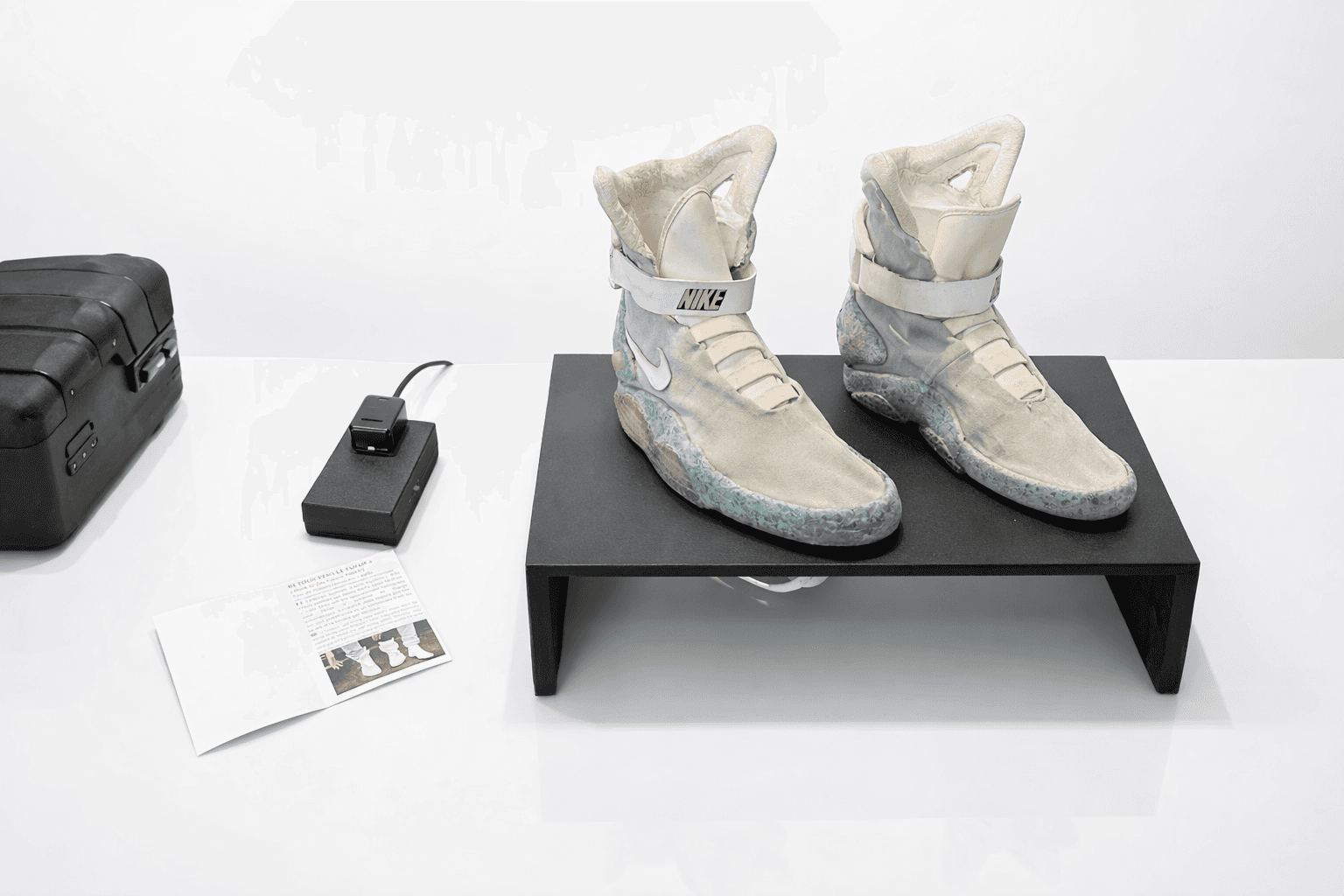
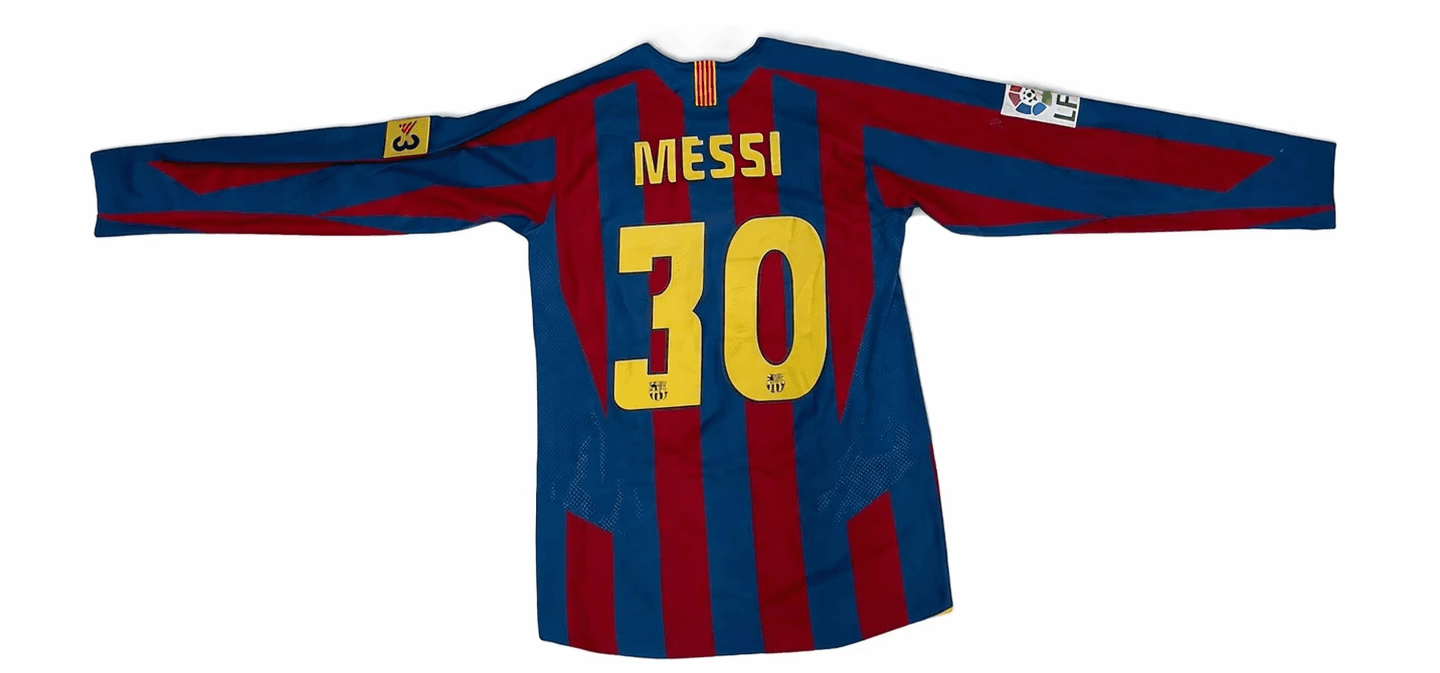
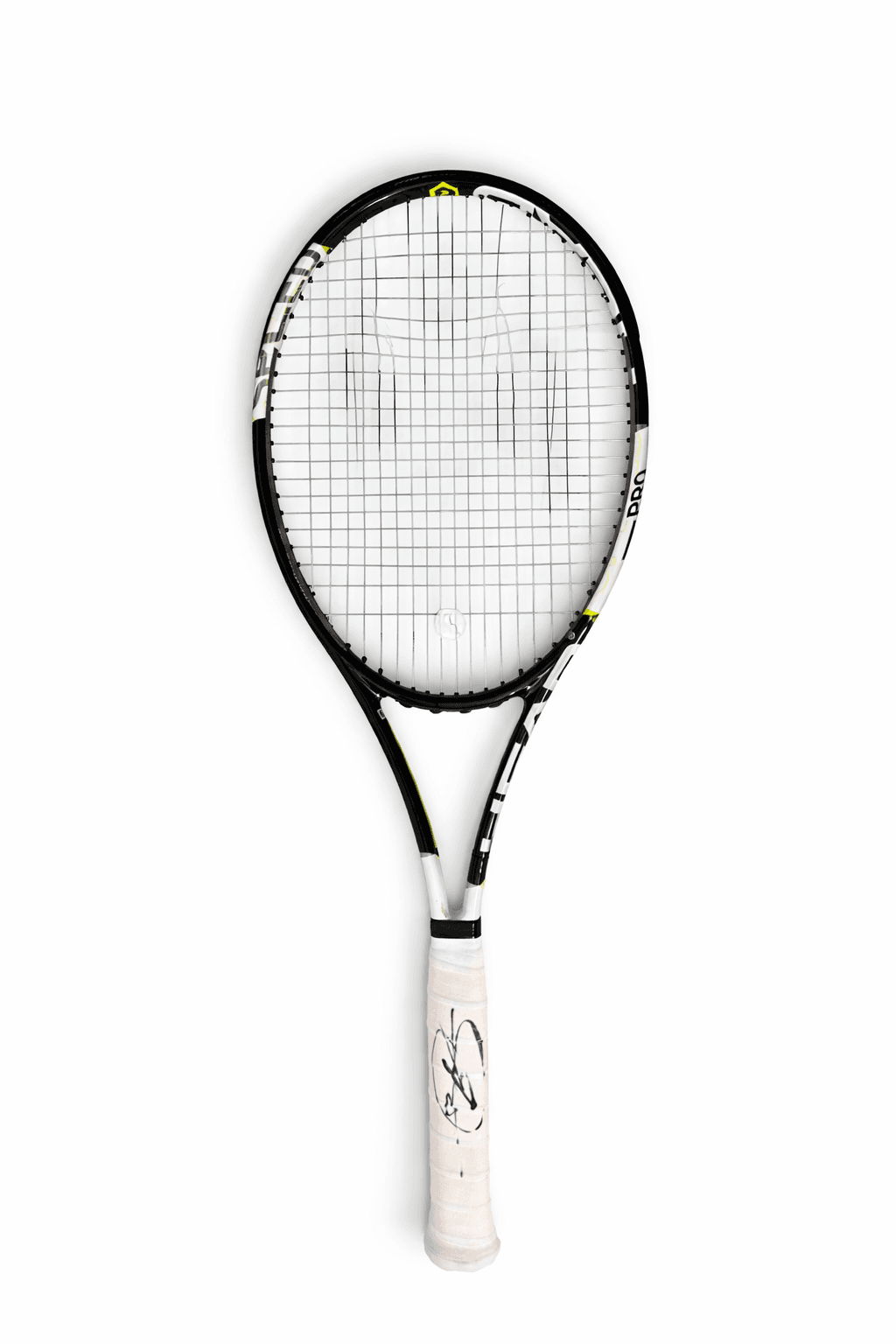
This included private sales of film memorabilia, sports memorabilia, and collaborations with brands such as Colnago to explore alternative sales formats.
These were not isolated departures. They showed that the underlying logic was transferable.
What began with sneakers and streetwear extended naturally into adjacent categories wherever objects carried narrative, provenance, and cultural significance.
It also brought new participants into the market, including museums, family offices, and a younger generation of collectors who had not previously engaged with auction houses.
The category was never only about sneakers. It was about recognising contemporary cultural material as collectible property.

Market Correction
Why the thesis held after the boom.
By 2023 and into 2024, the wider sneaker market entered a clear correction.
Oversupply, rising costs, and consumer fatigue all contributed to weaker resale margins. A model built too heavily on repetition and manufactured scarcity began to lose force as product became more accessible.
The market fragmented. No single silhouette or brand could dominate in the way Nike and Jordan once had. Buyers became more selective and more discerning.
This was not the collapse of the category. It was the end of its least disciplined phase.
Speculation fell away, but the deeper logic remained intact. Objects with real narrative weight, credible provenance, and strong positioning continued to matter. In many ways, they became easier to identify once the noise subsided.
That matters because the work carried out here was never dependent on the temporary conditions of the boom. It was built around the mechanics that outlasted it.
Conclusion
What the project proved
Modern collectibles did not appear out of nowhere.
The category already existed in culture long before institutions gave it formal recognition. Sneakers, streetwear, and sports memorabilia had long been collected, exchanged, and valued within their own ecosystems.
What they lacked was not relevance, but translation.
Once positioned within the architecture of the auction house, they became legible to a broader class of buyer and to a broader form of capital.
That is the point of this project.
New categories are rarely invented from nothing. More often, they are identified early, understood properly, and placed within the right structure before the rest of the market catches up.
Disndat was not simply present for that shift. It helped define it.